A Beginner's Guide to Understanding Different Types of Wine
Red, white, rosé, sparkling. What actually sets them apart, and which one to open tonight.
2 menit baca
Visit any of our stores and the wine wall can look like a puzzle. It is simpler than it seems. Almost every bottle belongs to one of five families, and what separates them comes down to two things: which grapes were used, and how long the juice spent with their skins.
Red wine
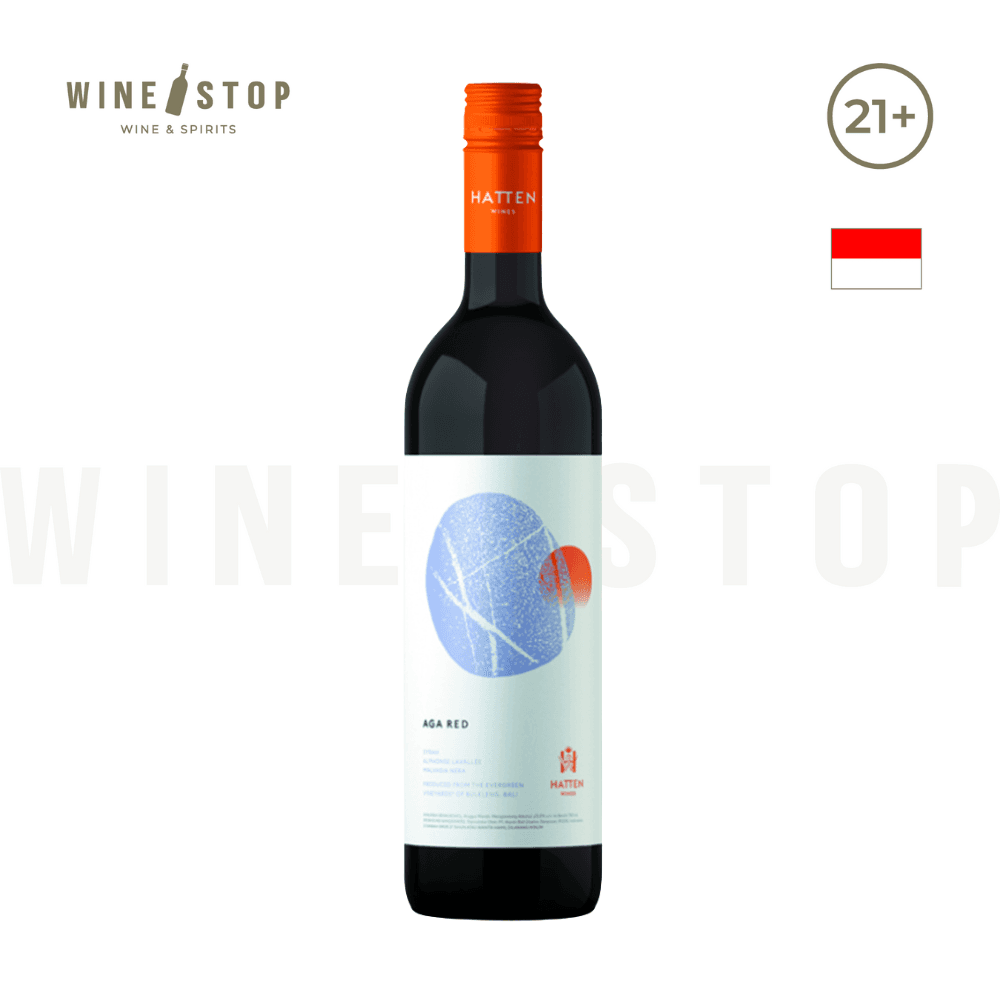
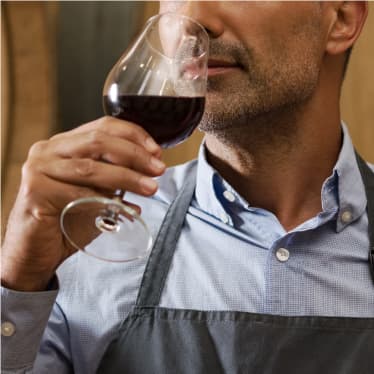
Red wine is made from dark grapes, fermented together with their skins. The skins give the wine its colour and its tannin, the drying grip you feel on your gums after a sip. Lighter reds such as Pinot Noir are soft and bright. Fuller ones bring dark fruit, spice and more grip.
Southern Italy makes some of the most generous reds on our shelves. Primitivo from Puglia, like San Marzano’s Talò or the old-vine Sessantanni, tastes of ripe plum and black cherry. Fantini’s Montepulciano d’Abruzzo is a little lighter and fresher, and easy with almost any dinner.
White wine
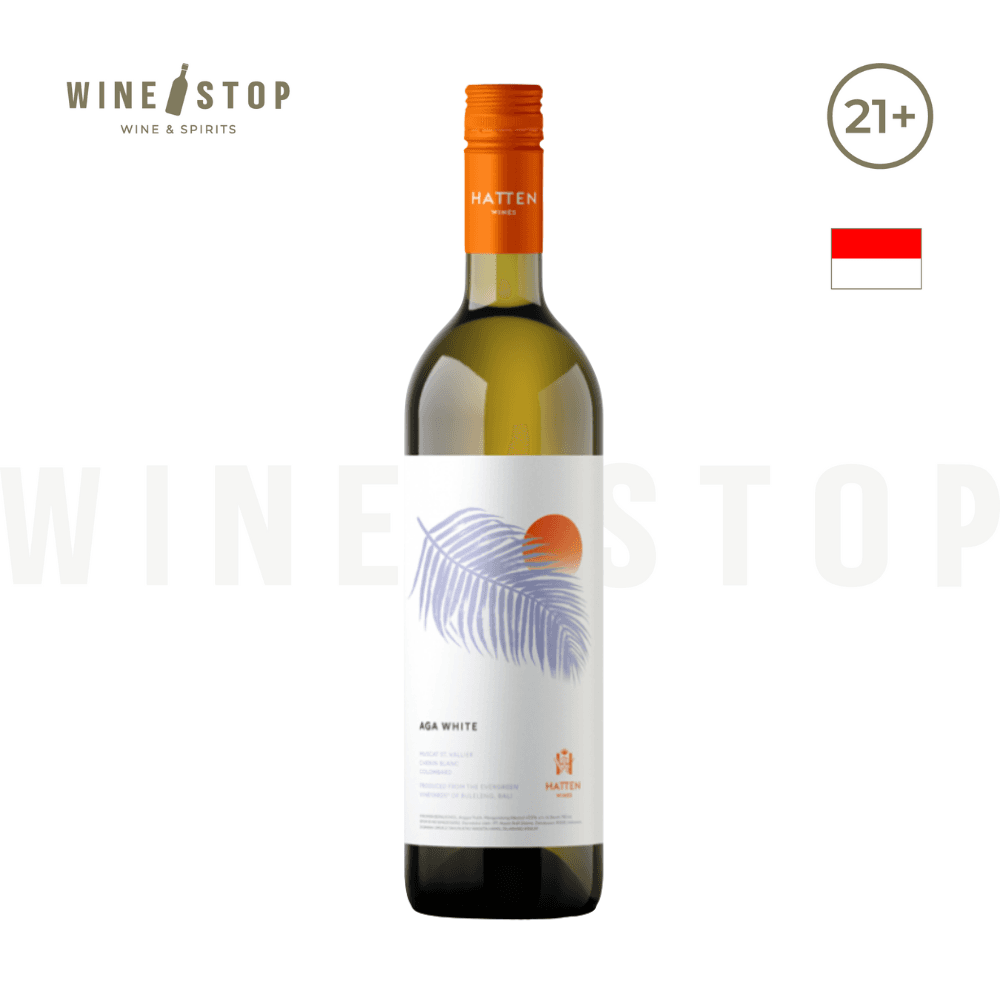
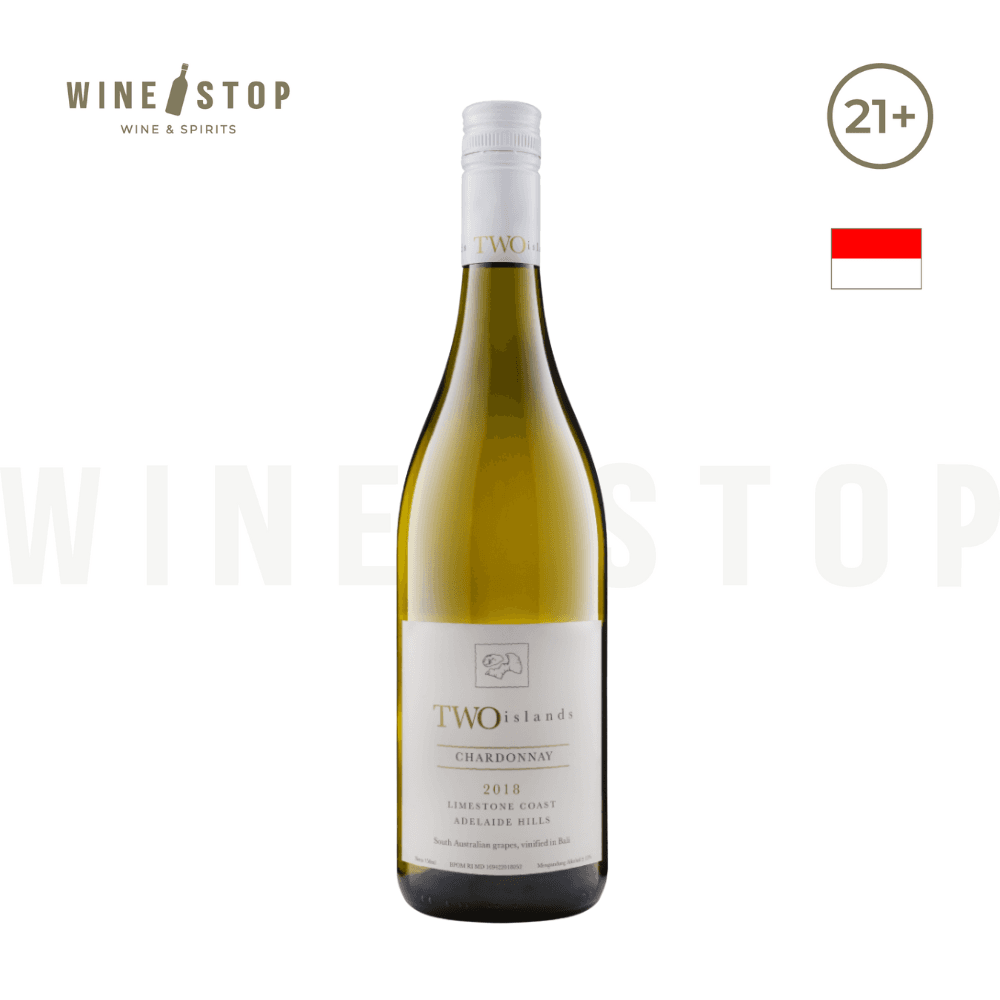
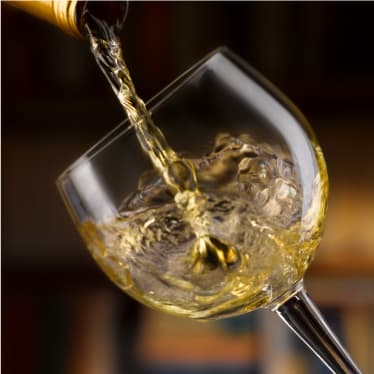
White wine is usually made from green grapes, pressed so the juice leaves the skins straight away. With no skin contact there is little tannin, so the structure comes from acidity instead: the mouth-watering freshness that makes white wine so good with seafood and spicy food. Crisp whites like Sauvignon Blanc and Pinot Grigio are best young and cold. Richer ones, often Chardonnay aged in oak, feel rounder and stand up to chicken or creamy sauces.
Rosé
Rosé is made from dark grapes that spend only a few hours with their skins, just long enough to take on a pink tint. It drinks like a white, chilled and refreshing, with a little more red fruit. On a hot afternoon in Bali, few wines make more sense.
Sparkling wine
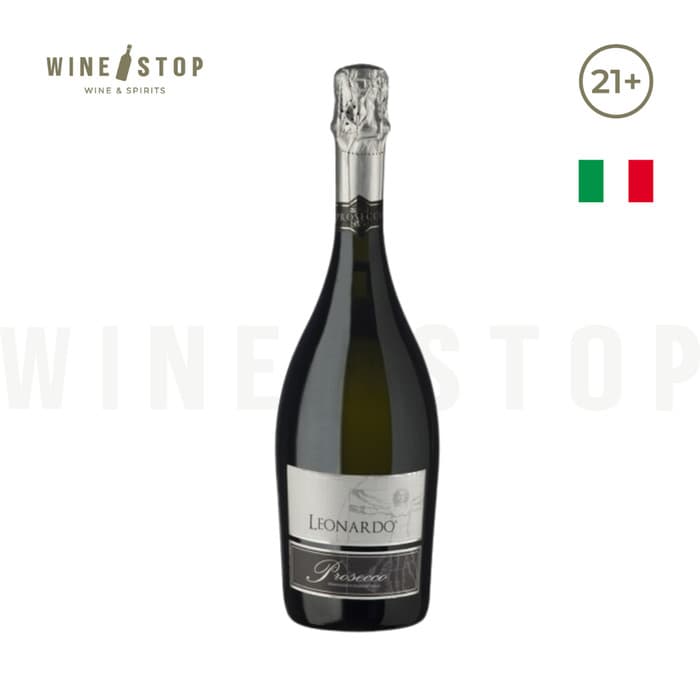
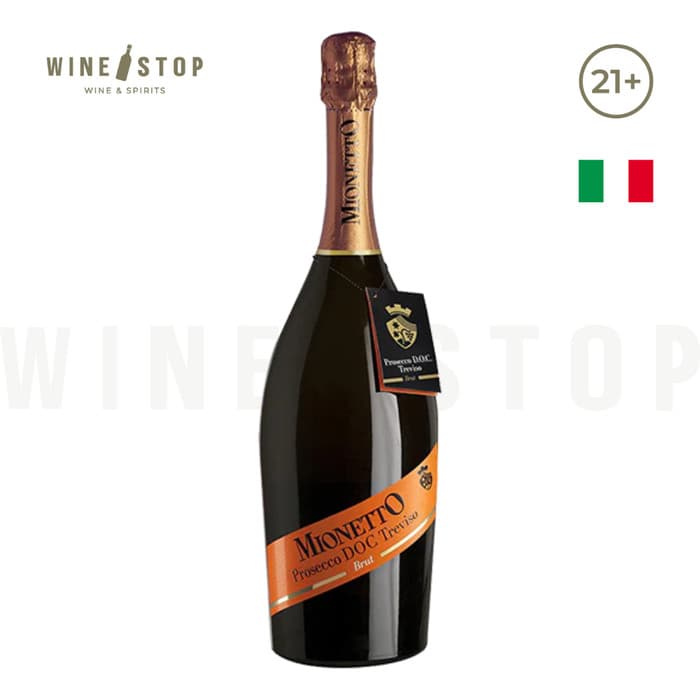
Sparkling wine goes through a second fermentation that traps carbon dioxide in the wine. Champagne does this inside each bottle, which builds toasty, bready flavours. Prosecco does it in large pressurised tanks, which keeps the fruit fresh: green apple, pear and white peach.
Dessert and fortified wine
Sweet wines are made from grapes so ripe that sugar is left over after fermentation. Fortified wines such as Port and Sherry have grape spirit added, which lifts the alcohol to somewhere between 15 and 22%. Pour them small, after dinner.
“Start with the food on the table. The right wine is usually the one that suits what you are eating.”
Where to start
If you are new to wine, buy two bottles from different families and taste them side by side. You will learn more in one evening than from any chart. A few easy pairings to begin with:
- Red with grilled meat, rendang or anything from the barbecue.
- Crisp white with seafood, salads and Thai or Vietnamese dishes.
- Rosé with a long lunch, nasi campur or an afternoon by the pool.
- Sparkling with fried food, salty snacks and anything worth celebrating.
Make a note of what you enjoy, then try one of its neighbours next time: the same grape from another region, or the same region with another grape. That is how a taste becomes a preference.