How to Taste Wine Like a Pro: Tips from Experts
Look, swirl, smell, sip. The four moves behind every tasting note, explained without the jargon.
2 menit baca
Professional tasters are not born with better noses. They follow the same few steps every time, and they pay attention. You can do the same with any bottle, tonight, using a glass you already own.
Set the table
Use a clear glass with a bowl wider than its rim, which holds the aromas in. Pour about a third of a glass so there is room to swirl. Serve reds slightly cool, around 16 to 18°C, which in Indonesia usually means twenty minutes in the fridge. Whites go colder, around 8 to 12°C. Skip perfume and strong food just before you taste.
The four steps
- Look. Tilt the glass against something white. Deep, inky reds tend to be fuller and riper, pale ones lighter. A brick-orange rim is a sign of age.
- Swirl. Keep the base on the table and draw small circles. Air lifts the aromas out of the wine and into the glass.
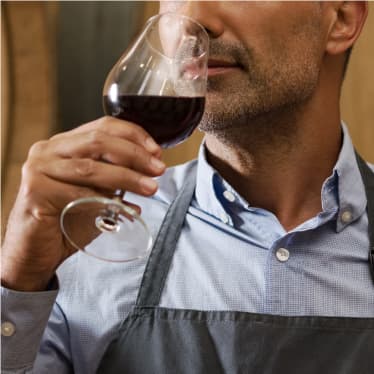
- Smell. Take short sniffs with your nose right in the glass. Name broad families first, such as fruit, flowers, spice, wood or earth, then get specific.
- Sip. Take a small mouthful and move it around so it reaches every part of your tongue. Notice sweetness, acidity, tannin and alcohol, then how long the flavour stays after you swallow.
The whole routine takes less than a minute. Do it slowly for a week and it becomes habit.
What the experts look for
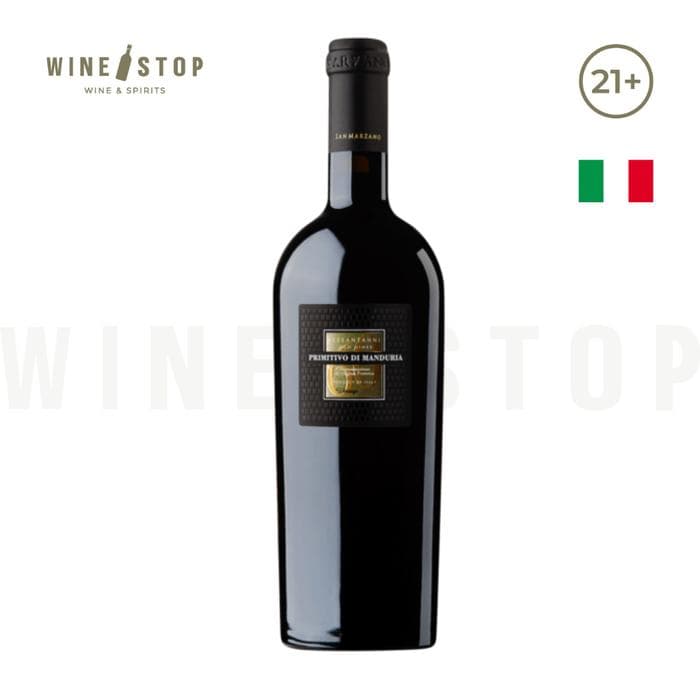
Sommeliers judge a wine on balance: no single part should shout over the rest. A big red like Sessantanni Primitivo di Manduria carries plenty of ripe fruit and 14.5% alcohol, yet its tannin and freshness keep it from feeling heavy.
The finish is the clearest sign of quality. Count the seconds the flavour lingers after you swallow. Ten or more is the mark of a good wine.
Order matters too. Taste sparkling before still, white before red and dry before sweet, so a big wine never flattens a delicate one that follows it.
“Smell it twice. The second time, the wine has had a moment with the air, and it always has more to say.”
Practise side by side
The fastest way to train your palate is comparison. Open two wines made from the same grape, such as San Marzano’s Talò and Sessantanni, both Primitivo, and taste them one after the other. Differences that hide in a single glass jump out when there are two. Write down three words for each. After a few evenings you will have a vocabulary of your own.
And if you want to spit, spit. Professionals do it to stay sharp through dozens of wines in a day. At home, with one or two bottles and good company, swallowing is allowed.